Transistor vs Captivate: Best Host for a Growing Show?
Last updated: September 2026
Both are excellent, so pick by how you grow.
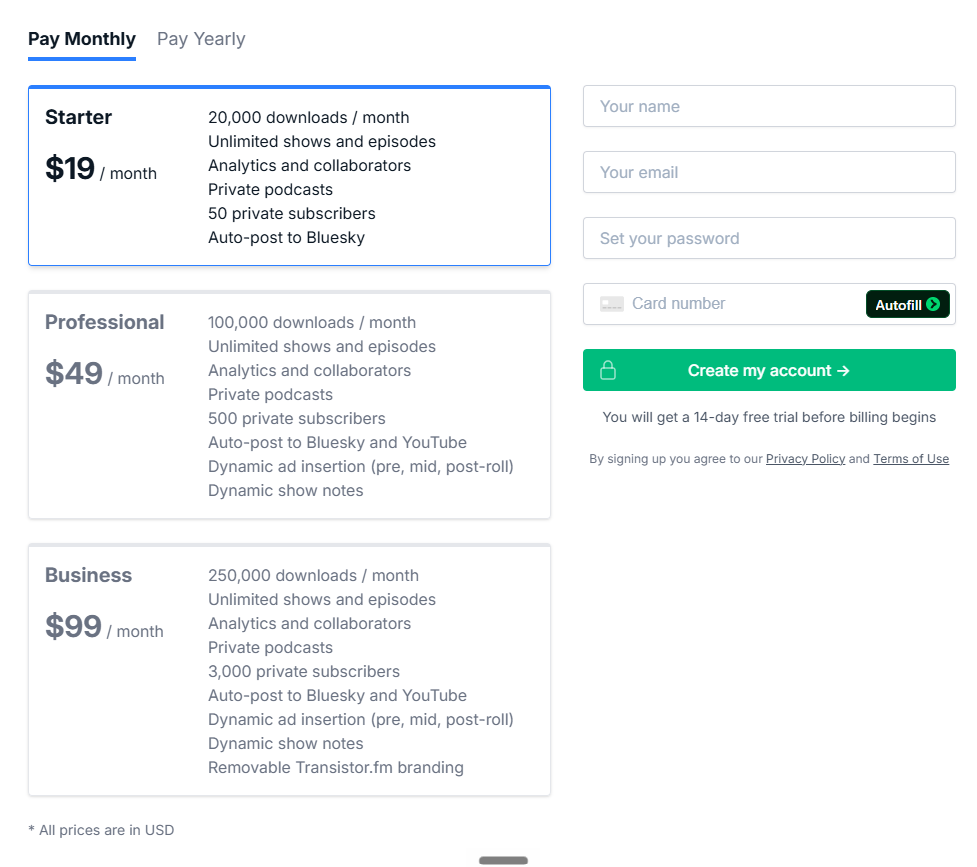
- Get Transistor if you run several shows, need a private or internal feed, or want to pay month-to-month starting at $19.
- Get Captivate if you want every feature, including dynamic ad insertion, on the cheapest $17 plan.
Transistor vs Captivate at a glance
| Decision | Transistor | Captivate |
|---|---|---|
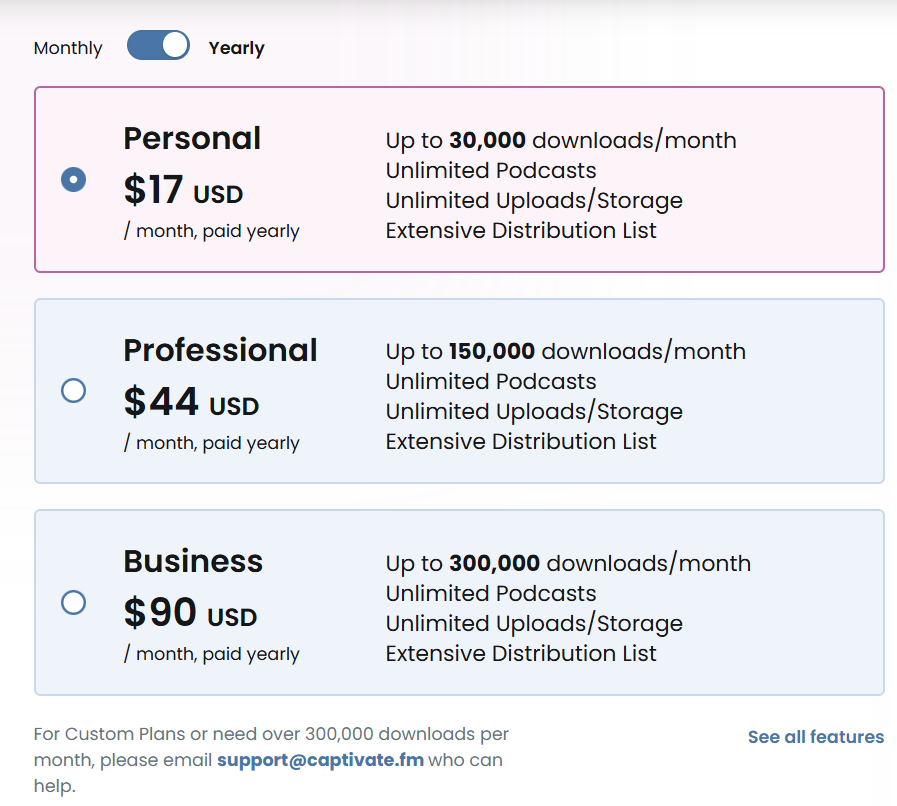
| Entry price | $19/mo month to month (less if paid yearly) | $17/mo (billed yearly) |
| Shows per account | Unlimited, every plan | Unlimited, every plan |
| Entry download cap | 20,000/mo (shared across shows) | 30,000/mo |
| Dynamic ad insertion | $49 Professional tier only | Included on every plan |
| Private podcasting | Yes, every plan | Yes, every plan |
| Built-in website | Yes, one per show | Yes |
| Free trial | 14 days | 30 days |
| Billing | Month to month or yearly | Yearly for the headline price |
The $17 versus $19 gap is not the real story, because Captivate’s $17 assumes you pay a year up front, while Transistor’s $19 is the month-to-month rate (pay yearly and Transistor gives you 12 months for the price of 10).
The lines that actually decide it are dynamic ad insertion and how you want to be billed.
Where does Transistor win?
Transistor is built for people running more than one thing. Every plan hosts unlimited shows on one account and one bill, and it gives each show its own clean dashboard, its own feed, its own site, and its own listing on Apple Podcasts and Spotify. A personal show, a company show, and a client’s show sit side by side without turning into a mess. That per-show separation is genuinely better than Captivate’s for a working network.
Two more edges. Private podcasting is strong here, so internal team feeds and paid member feeds are easy to stand up. And you can pay month to month with no annual lock-in, which Captivate does not really offer at its advertised price. If your spend needs to stay flexible, that matters. The honest catch: your download allowance is one account-wide pool, so every show draws from the same 20,000 on Starter.
Where does Captivate win?
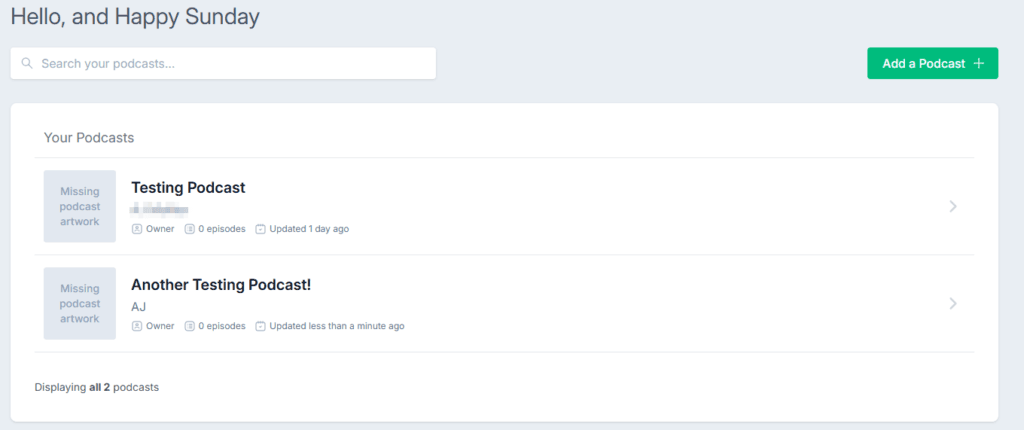
Captivate’s trick is that it does not lock features behind pricier tiers. The $17 Personal plan ships with everything: dynamic content insertion through their AMIE tool, private podcasting, the website builder, IAB-certified analytics, the Growth Labs material, and the promotion tools. You are only paying for downloads, never to unlock a feature. For a small show that wants to monetize early, that is a real advantage.
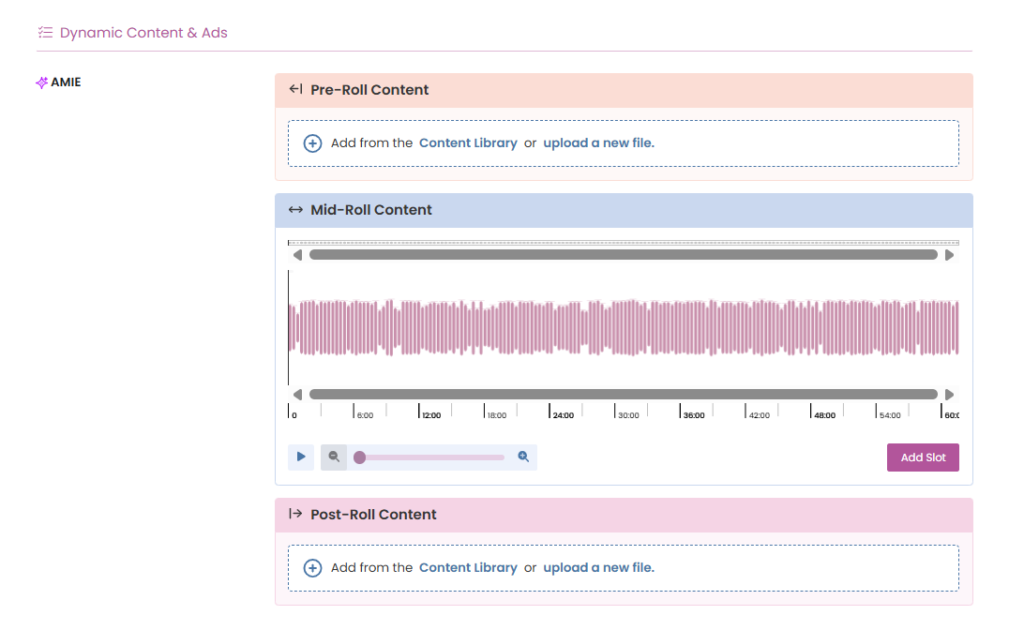
This is the clean win over Transistor. To insert dynamic ads on Transistor, you have to climb to the $49 Professional plan. Captivate hands you the same capability at $17. That also makes it the cheapest host with dynamic ad insertion.
Add the longer 30-day trial, which is one of the most generous around, and a growing creator gets more room to test the monetization tools before paying. The catch is billing: that friendly $17 is the paid-yearly rate, and there is no free-forever plan, only the trial.
Transistor vs Captivate on price
At the tier most growing shows actually buy, the numbers are close, but they buy different things. Transistor’s $19 Starter gets you unlimited shows and month-to-month flexibility, but no dynamic ad insertion until $49. Captivate’s $17 Personal gets you every feature, including ads, but assumes a yearly commitment. So a solo creator chasing monetization pays less on Captivate, while a network that wants monthly billing and clean multi-show management leans Transistor.
Neither is overpriced. The mistake is comparing the two entry numbers as if they are the same product. One is a month-to-month multi-show base, the other is an annual all-features base. Match the plan to your actual growth path, and the right pick is usually obvious.
Which should you choose?
Run multiple shows, want a private or internal feed, or need month-to-month billing? Choose Transistor. Unlimited podcasts on one clean dashboard is its strength, and it starts at $19. Start a free Transistor trial.
The honest downside: dynamic ad insertion is stuck behind the $49 Professional tier, so early monetizers pay up for it. If that is the wall you are hitting, Transistor alternatives lines up the hosts that include insertion on their cheapest plan.
Want every feature, ads included, on the cheapest plan, plus a longer runway to test them? Choose Captivate. Start a free Captivate trial.
The honest downside: the $17 entry price assumes annual billing, and there is no free-forever plan, so it is not the pick if you want low-commitment monthly spend.
For the full plan breakdown, see Transistor’s pricing guide and the Captivate pricing guide as well. If a network is your real use case, the head-to-head detail lives in a comparison we made for podcasters looking to run more than one podcast on the same host.
FAQ
Is Transistor or Captivate better for a growing show? Both are top-tier. Transistor wins for running multiple shows, private feeds, and month-to-month billing at $19. Captivate wins for unlocking every feature, including dynamic ad insertion, on its $17 entry plan.
Which is cheaper, Transistor or Captivate? Captivate’s $17 beats Transistor’s $19, but only if you pay yearly. Transistor lets you bill month to month, so the real cost depends on how you want to pay.
Does Transistor include dynamic ad insertion? Not on the entry plan. You reach the $49 Professional tier for it. Captivate includes dynamic ad insertion on every plan, starting at $17/month, making it the most affordable option for inserting ads into your show.
Can both hosts run multiple podcasts on one account? Yes, both allow unlimited shows on every plan. Transistor’s per-show dashboard separation is the cleaner setup for a working network.
Have you tried these services? Yes! We test everything we review, making sure we can tell you the pros and cons of each of the software and services that we recommend and review.
This post contains affiliate links, and we may earn a commission if you sign up through them, at no cost to you. See our Affiliate Disclosure. Pricing as of August 2026.