What Is a Podcast Host? A Plain-English Explainer for 2026
Last updated: September 2026
A podcast host is the service that stores your audio files and builds the RSS feed every listening app reads to pull your episodes. It is the source of truth Apple Podcasts, Spotify, and YouTube point at. Not a website, not a recording app, and not the same thing as posting an MP3 somewhere.
What does a podcast host actually do?
Three jobs, and the middle one is the point.
- It stores your MP3s on servers built to push audio to a lot of people at once.
- It builds and maintains your RSS feed, the single machine-readable file that lists your show and every episode.
- And it counts your downloads, ideally to the IAB measurement standard that sponsors trust.
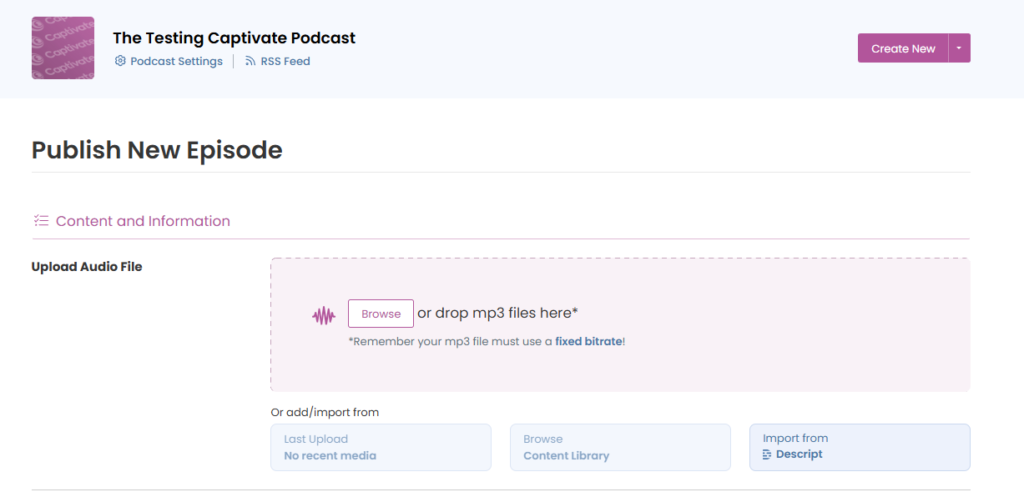
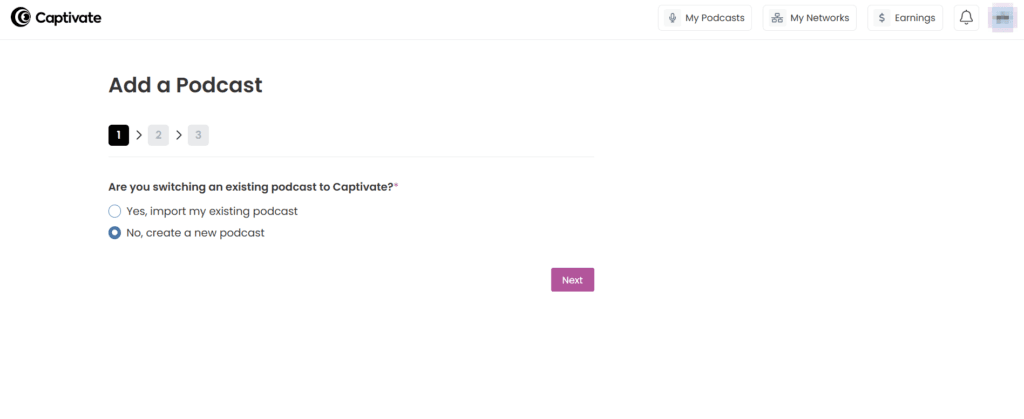
Here is the flow. You upload a new episode. The host saves the file, writes a fresh entry into your feed, and every app that carries your show checks that feed on a schedule and grabs the new episode automatically. You submit your feed to Apple and Spotify once, at the very start. After that you never touch the apps again. Upload, and the whole listening world updates itself.
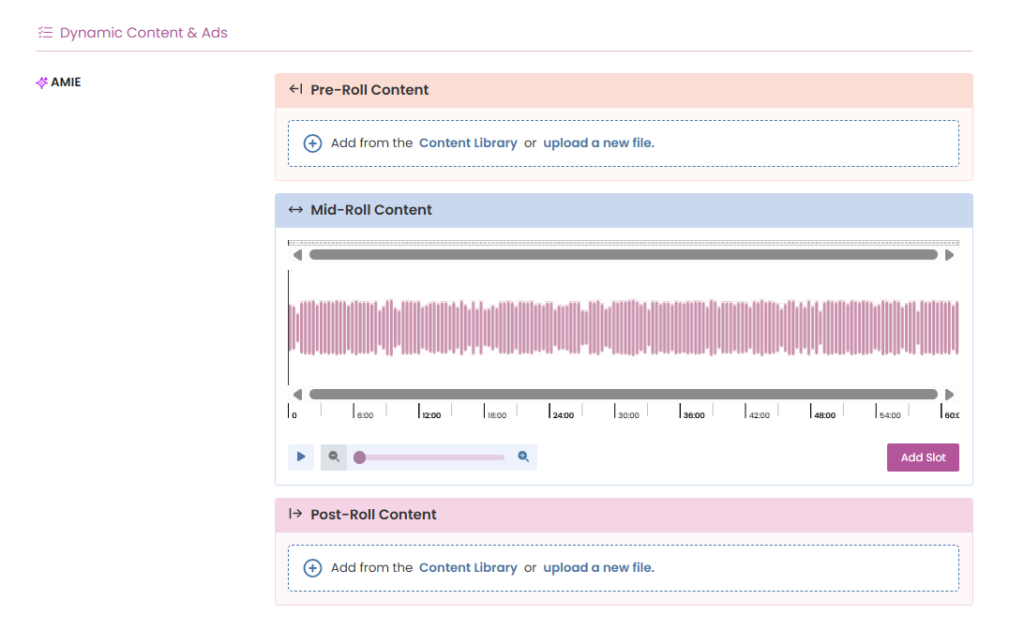
Most hosts pile extras on top: a basic website, analytics, dynamic ad insertion, a way to run a private feed. The core job never changes though. Storage plus feed plus honest download counting.
Is a podcast host the same as a website or YouTube?
No, and mixing them up is the most common beginner mistake. A website is a page people visit. YouTube is one destination among many. A podcast host is the plumbing underneath all of it, the feed those destinations read from. If one platform really is all you want, settle whether you need a host at all before you pay for one.
Think of it this way. Your host owns the RSS feed. That feed is what makes your show a podcast instead of just an audio file sitting on a page. Apple Podcasts does not store your episodes. It reads your feed and streams from your host. Same with Overcast, Pocket Casts, and most of Spotify. If you only upload to YouTube, you have a video, not a podcast that reaches every app.
You can have a website and a host at the same time, and most shows do. The site is for humans who want a home page. The host is for the apps. One is marketing, the other is infrastructure. The full side-by-side is in podcast hosting vs a website.
Do you actually need a podcast host?
If you want your show in Apple Podcasts, Spotify, and every other app from one upload, yes. Those apps do not accept files directly. They accept feeds, and a host is what produces a valid, spec-compliant feed and keeps it online.
Could you build your own feed by hand and serve the files off your own server? Technically. Almost nobody should. A real host handles the bandwidth spikes when an episode pops, the redirect rules that keep your subscribers when you move, and the feed-spec quirks that quietly break a show in one app but not another. That is unglamorous work you do not want to own.
The one real exception: a show that lives entirely inside a single closed platform, like a YouTube-only video series or a Spotify-exclusive. If that is genuinely your whole plan, you may not need a host yet. Most people outgrow that fast. When you do want one, how to choose a podcast host walks the whole decision, and here is the easiest host to start on.
FAQ
What is a podcast host in simple terms? It is the online storage that holds your episodes and generates the RSS feed apps use to find and play your show. Upload once, and every app updates on its own.
Is a podcast host free? Some offer a limited free tier, but most creators pay $12 to $19 a month for real download allowances and features. See our Transistor pricing guide for what a real plan includes.
Can I use my website as a podcast host? Not usually. A normal website is not built to serve large audio files at scale or produce a compliant feed. A few site builders bolt on hosting, but a dedicated host does the job properly.
What is the difference between a host and Spotify? Spotify is a listening app your host feeds into. Your host owns the feed and distributes it everywhere at once, so you are not locked to one platform.