Buzzsprout Review 2026: Is It Worth It for Your Podcast?
Last updated: October 2026
This post contains affiliate links, and we may earn a commission if you sign up through them, at no cost to you. See our Affiliate Disclosure. Pricing as of September 2026.
Buzzsprout is the host I point first-time podcasters to, and I still think it is the right call for one show. It is worth it at $15 a month billed yearly. It is the wrong buy if you run more than one podcast or publish more than about six hours a month. Here is the full case, including the parts Buzzsprout does not put on the homepage.
Is Buzzsprout good?
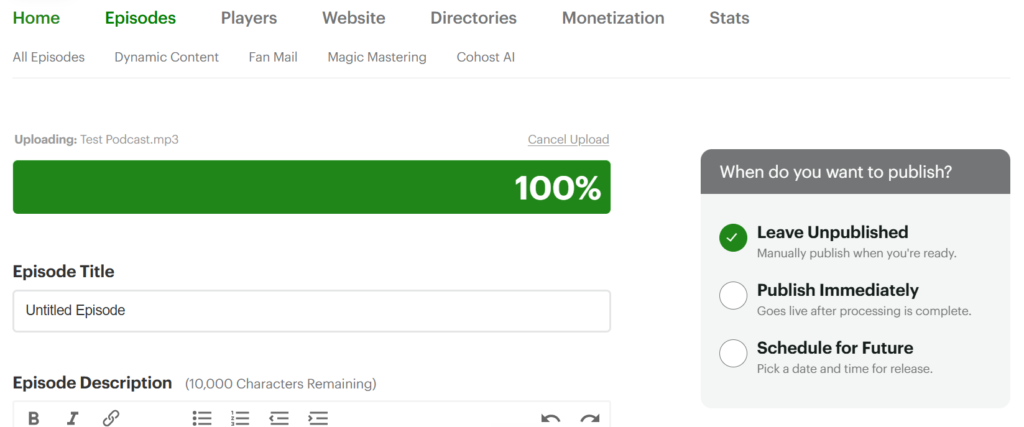
Yes, for what it is built to do, which is get one podcast from a recording to Apple Podcasts and Spotify with the least thinking. Upload a file, type a title, pick publish now or schedule, done. Buzzsprout has run this way since 2009 and says it hosts over 115,000 active podcasters. The dashboard is the friendliest in the category, the stats are IAB-certified, and the support is fast and human. Those three things are the whole pitch, and they hold up.
What it is not built for is scale. The paid plan you will most likely buy covers a single show and six upload hours a month. Most people who leave Buzzsprout leave for one of two reasons: they started a second podcast, or they started publishing daily.
The price, in one paragraph
One show on the Audio plan is $15 a month billed yearly or $18 billed monthly, with 6 upload hours a month. Audio + Video is $25 yearly or $30 monthly, and a second show means the Multi-Podcast plan from $30, per Buzzsprout’s pricing page. The free plan is a test drive: 2 hours a month, and every episode is deleted 90 days after you publish it. The one billing rule to know before you pick: a monthly plan bills extra hours at $4 an hour on Audio, while an annual plan cannot go over at all, so a big month forces an upgrade.
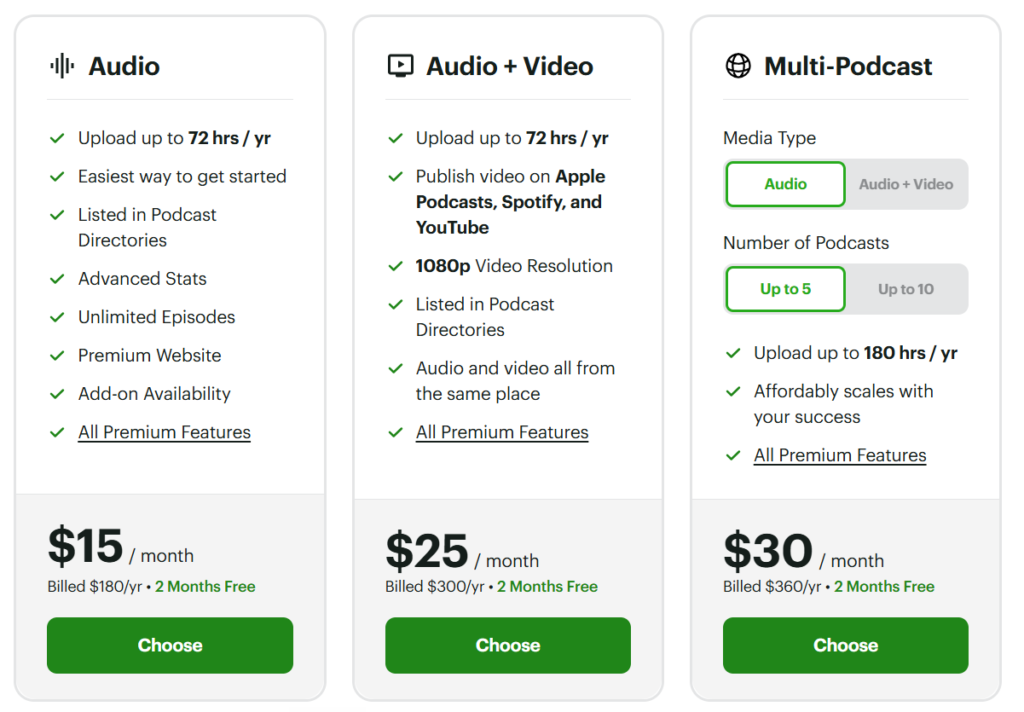
Every plan side by side, the free-plan limits, the $5 Archive plan, and the Legacy-pricing trap for people on old rates are in our full Buzzsprout pricing breakdown. This review sticks to whether the product is worth paying for at all.
What does Buzzsprout include?
Everything in the “premium features” list, with two add-ons that cost extra. Included at no added cost on every current paid plan: distribution to Apple Podcasts, Spotify, Amazon Music, YouTube, and the rest, advanced stats, unlimited episodes that stay up permanently, automatic transcripts baked into your feed and website, a hosted podcast website, Dynamic Content, chapter markers, Visual Soundbites, Fan Mail, unlimited team members, and a migration tool that pulls your old show in by RSS.
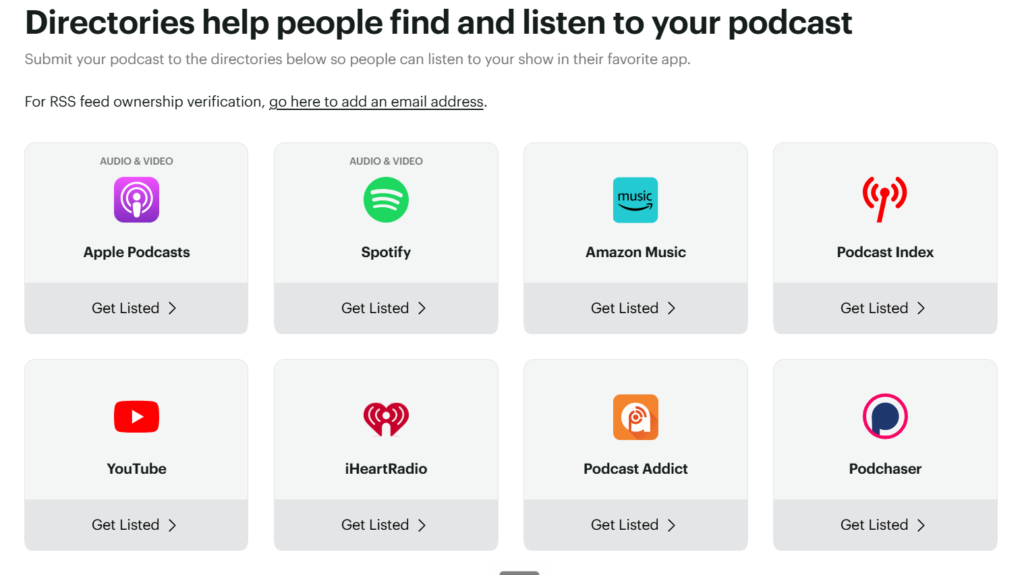
The stats deserve a sentence. Buzzsprout has been IAB-certified since 2020, now to the v2.2 guideline, and the advanced analytics come on every paid plan rather than a higher tier. A download only counts once about a minute of the file has actually been delivered, and repeat requests from the same listener within a day count once. That is the number a sponsor will trust, and you get it at $15.
The two paid add-ons are Magic Mastering, which levels and cleans your audio automatically, and Cohost AI, which drafts titles, descriptions, chapter markers, a blog post, and social posts from the episode. The help pages quote both at $5 to $20 a month depending on plan, and you can try each free on any paid plan before it bills. Neither is required.
Can you make money on Buzzsprout?
Three ways, all on paid plans only. Buzzsprout Ads is the marketplace: Buzzsprout sells and inserts the ads, and you control which ones run in your episodes. It opens at 1,000 downloads in any rolling 30-day window, and you also need five published episodes of at least 23 minutes and three podcast categories set, per the eligibility page. Under 1,000 downloads a month, it is not available to you yet.
Subscriptions and Listener Support let you charge for premium episodes or take monthly tips, with an 85/15 split in your favor and payouts to PayPal or against your hosting bill. And Dynamic Content is the self-serve tool: upload your own pre-roll, up to three mid-rolls, and a post-roll, under five minutes each, and Buzzsprout drops them into every episode including the back catalog. Swap the file and every episode updates. It even picks the mid-roll spots for you.
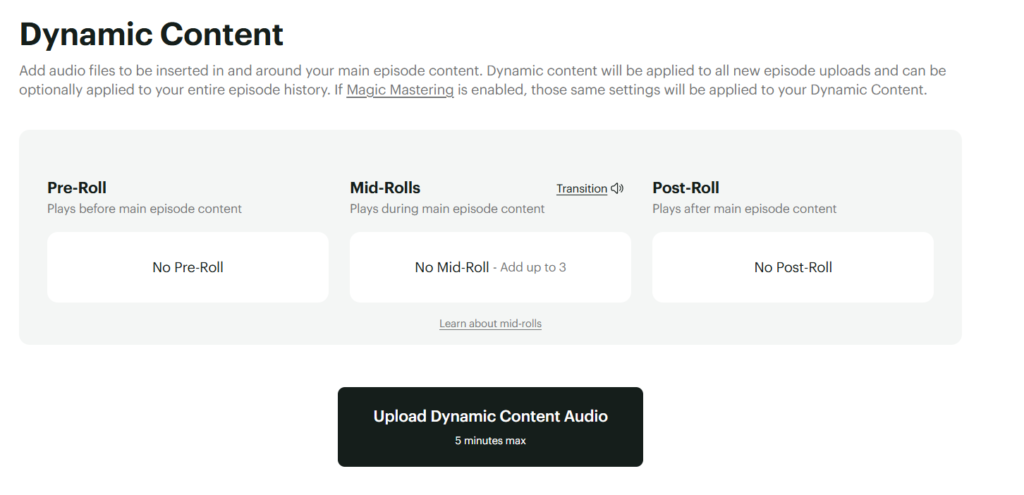
So the old knock that Buzzsprout “does not do ad insertion” is out of date. What it does not do is give you a marketplace before 1,000 downloads, and it does not bundle all of this with unlimited shows the way Captivate does at $17.
What are the downsides?
The upload cap is the one you will feel. Six hours a month is fine for a weekly 45-minute show and a ceiling for anything daily, long-form, or twice a week with interviews. Buzzsprout meters what you upload, not what gets downloaded, so a big audience costs nothing and a big month costs extra. Monthly payers eat $4 an hour in overage. Annual payers hit a wall.
One show per plan. The Audio and Audio + Video tiers each cover a single podcast. A second show means a second subscription or the Multi-Podcast plan, which starts at $30 a month for up to five audio shows sharing one pool of hours. Transistor and Captivate both give you unlimited podcasts on their cheapest plan. If a network is anywhere in your plans, that one line should decide it.
Smaller things. The add-ons that make the AI pitch work cost extra. The free plan deletes your episodes. Legacy pricing disappears the moment you downgrade, cancel, or move a show. And the ad marketplace is gated behind 1,000 monthly downloads, which most new shows will not see in year one.
Is there a Buzzsprout lifetime deal?
No. Buzzsprout’s pricing page lists no lifetime plan, and it has never sold one on AppSumo or anywhere else I can find. The only discounts are the annual billing rate, which saves you $3 a month on Audio, and the referral credit: sign up through a referral link and Buzzsprout adds a $20 credit to your account once you are on a paid plan. Our link below is one of those. If you see a “Buzzsprout lifetime deal” advertised anywhere, it is not from Buzzsprout.
How does Buzzsprout compare to Transistor, Captivate, and Libsyn?
Against Transistor, Buzzsprout is easier and cheaper for one show, and Transistor wins the moment you have two, since its $19 Starter plan hosts unlimited podcasts on 20,000 downloads a month. Full breakdown in Transistor vs Buzzsprout.
Against Captivate, Buzzsprout is the simpler on-ramp and Captivate is the more powerful host for the money, with unlimited shows, unlimited uploads, and ad insertion on its $17 annual plan. That one is in Captivate vs Buzzsprout. Against Libsyn, Buzzsprout gives you double the upload room for three dollars more and a dashboard from this decade. Libsyn vs Buzzsprout covers it, and Buzzsprout alternatives ranks every host people leave it for, sorted by the reason they left.
If you are still at the start of the decision, read how to choose a podcast host first, then come back.
Verdict: who should use Buzzsprout
Get Buzzsprout if this is your first podcast, you run one show, and you publish weekly or less. Pay the $15 annual rate once you know the show is sticking, and use the free plan before that. It is the easiest hosting experience in the category and the stats are good enough to take to a sponsor. Start with Buzzsprout here, and the $20 account credit applies when you go paid.
Skip it if you already know a second show is coming, if you publish daily, or if you want ad insertion and unlimited podcasts on one cheap bill. Those people belong on Transistor or Captivate, and I would rather send you there than have you migrate in six months. The honest downside is the shape of the plan: it fits exactly one kind of podcaster, and you should be that podcaster before you pay.
FAQ
Is Buzzsprout worth it? For a single show publishing weekly, yes. The $15 annual Audio plan buys the easiest dashboard in hosting, IAB-certified stats, transcripts, and a website. For multiple shows or heavy publishing, no, because you will pay per show and per hour.
Does Buzzsprout have a lifetime deal? No. The pricing page lists none and Buzzsprout has not sold one. The only savings are annual billing and the $20 referral credit.
Can I host multiple podcasts on Buzzsprout? Yes, on the Multi-Podcast plan, from $30 a month billed yearly for up to five audio shows sharing 180 hours a year, or $65 for up to ten. The regular Audio plan covers one show.
Does Buzzsprout have an affiliate program? Yes. It pays $20 per referred podcaster who upgrades to a paid plan and stays two months, and the person you refer gets a $20 account credit.